Heist and caper stories in film and fiction
Everybody has a part to play. Nobody is supposed to get caught.
Stealing Dan is an editorial website about the great heist films and caper novels: how the crews are assembled, how the plans are drawn, and why we cannot help rooting for the people cracking the safe.
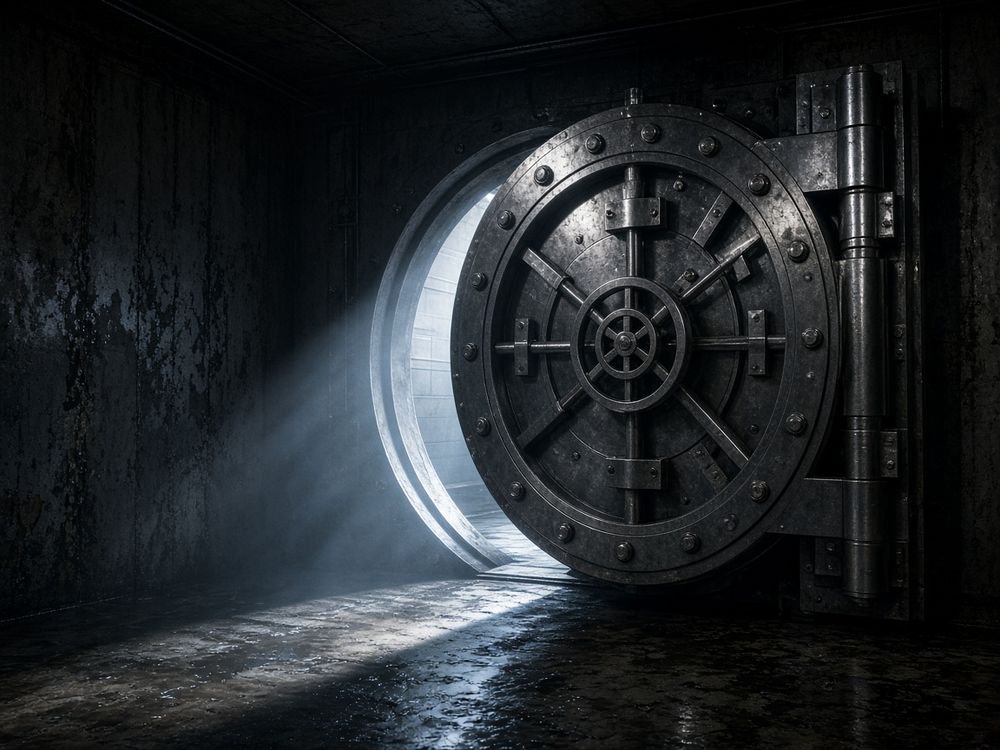
Personnel
Every crew is built from the same six cards.
01The plannerSees the whole job before it starts and keeps the secret that matters.
02The safecrackerPatient hands, a stethoscope and a reputation from the last job.
03The driverSays little, waits with the engine running, never looks back.
04The inside personKnows the guard rota and has the most to lose.
05The specialistAlarms, forgery, disguise: the one skill nobody else has.
06The wild cardThe one who was not in the plan, and usually the reason it changes.
The plan
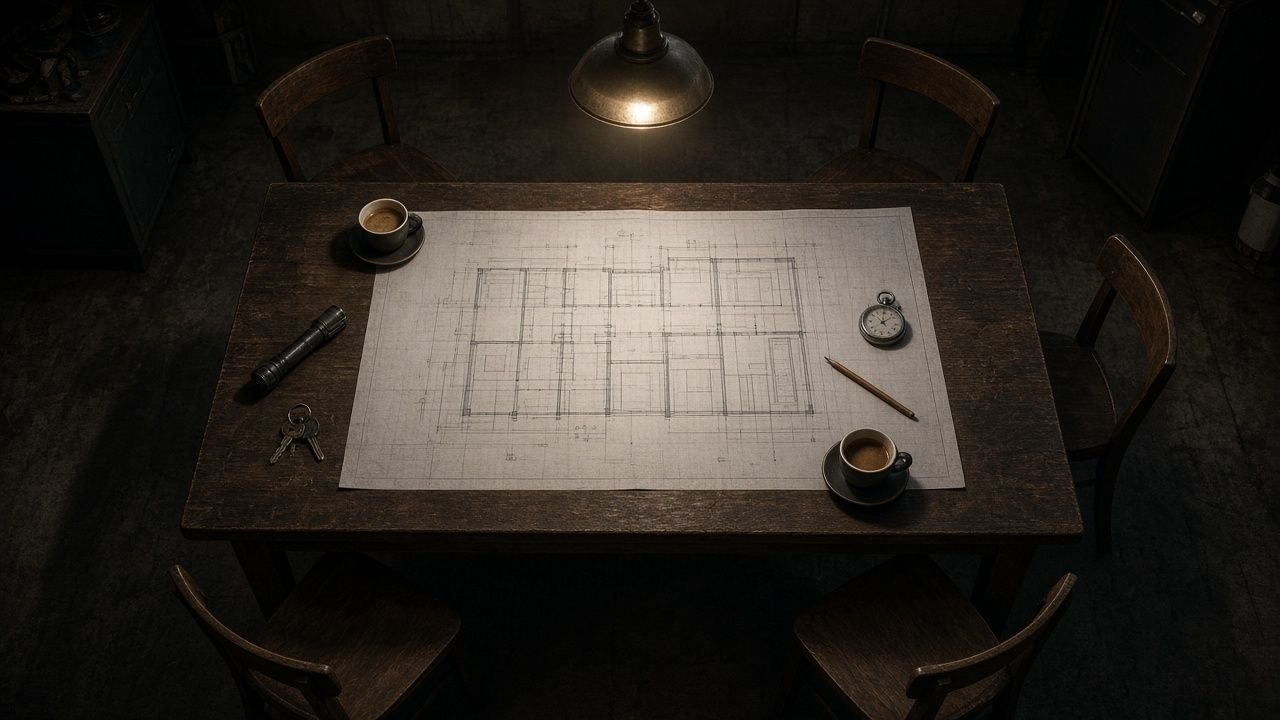
The blueprint scene is where we fall in love with the job.
Nearly every heist story stops to show us the plan: a floor plan, a model, a chalkboard of timings. It lets the audience in on the secret, and it sets up the pleasure of watching what goes wrong.
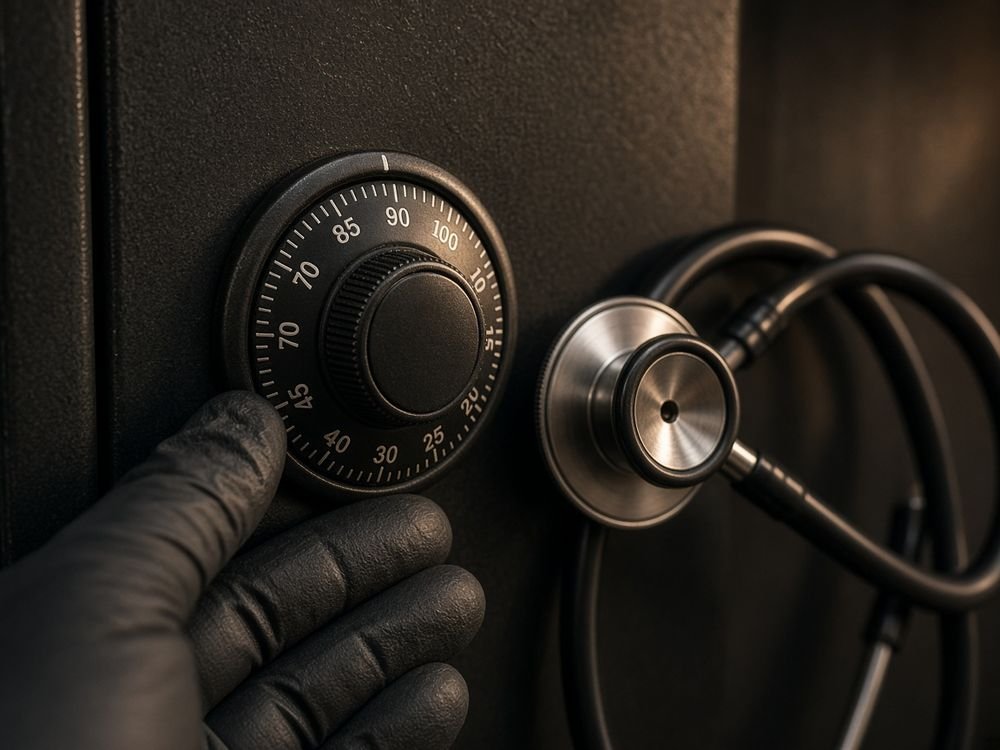
Rififi, 1955
Half an hour without a word.
Jules Dassin’s French thriller Rififi contains one of the most studied scenes in crime cinema: a break-in through the ceiling of a jeweller’s shop, played for around half an hour with no dialogue and no music. Every sound, from a dropped chisel to a ringing alarm, becomes unbearable.
It taught later film-makers that the job itself, done carefully and in silence, is the drama.

The getaway
Small cars, big mountains and a literal cliffhanger.
The Italian Job (1969) sent Michael Caine’s crew to Turin for a gold robbery and a getaway in three little Minis through arcades, sewers and traffic. It ends with the coach balanced over an Alpine drop, a final shot that has kept audiences arguing ever since.
Gentleman thieves
Long before the films, there were the books.
RafflesE. W. Hornung, 1898A cricketer and society favourite who steals jewels at house parties, narrated by his loyal friend Bunny in The Amateur Cracksman.
Arsène LupinMaurice Leblanc, 1905The French gentleman burglar of disguises and impossible escapes, who first appeared in a magazine story and outwitted detectives for decades.

Terminology
Caper or heist? Ask how the story feels.
Caper
Light on its feet. Witty crooks, clever tricks and a tone close to comedy. Nobody is really hurt, and the fun is in the con.
Heist
Tense and procedural. Plans, timings and professional criminals, with real danger and a price to pay when it unravels.
Plenty of stories move between the two, which is half the pleasure of watching them.
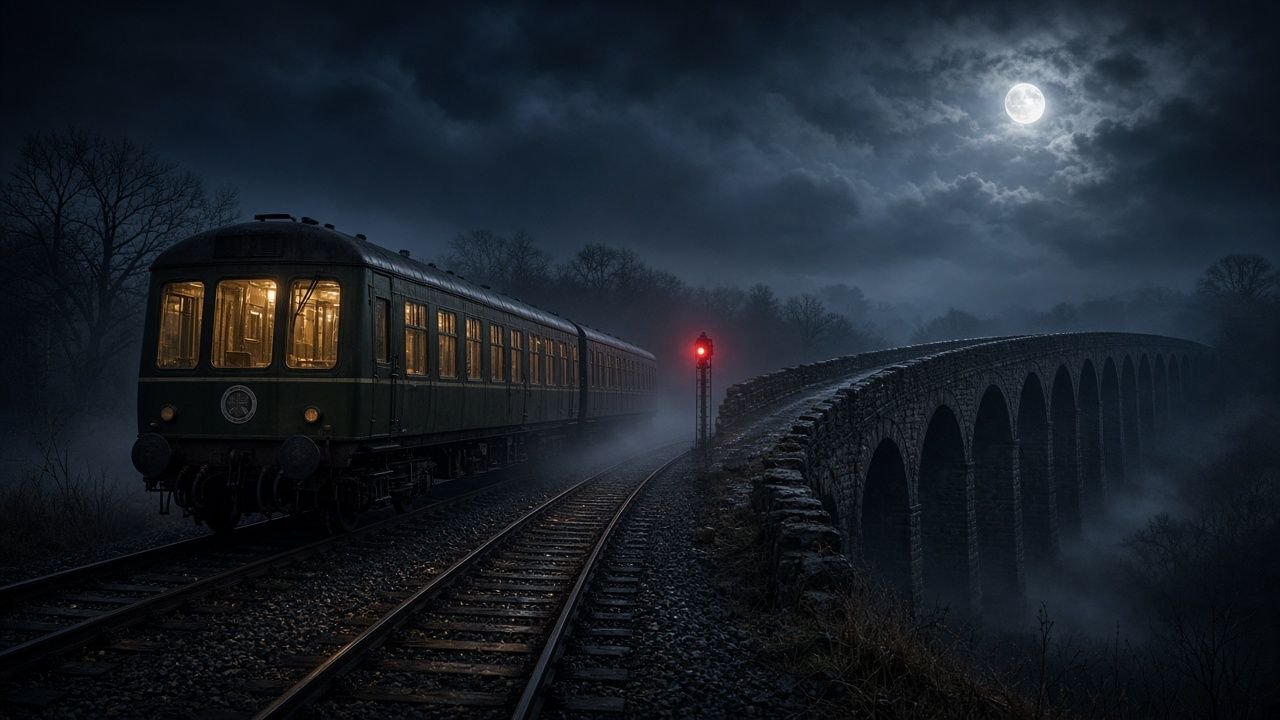
On the line
Robbery is as old as the movies.
Edwin S. Porter’s silent short The Great Train Robbery (1903) was one of the first films to tell a story with editing. A hold-up, a chase and a final gunshot at the audience: the robbery picture was there almost from the start.
Lasers and glass
The red beams are a film invention, and we love them anyway.
In Dassin’s Topkapi (1964) a thief is lowered on ropes into a museum to lift a jewelled dagger without touching the floor. The idea has been borrowed ever since, from wire drops in spy films to the glowing laser grids that fill every modern museum job on screen.

Eleven, twelve, thirteen
Some jobs get pulled twice.
Ocean’s 11 (1960) sent Frank Sinatra’s crew after five Las Vegas vaults on New Year’s Eve. Steven Soderbergh’s Ocean’s Eleven (2001) remade it as a glossy ensemble caper, and its sequels made the crew itself the star.
Further reading
Start with Parker, finish with Dortmunder.
Donald E. Westlake wrote the hard, unsmiling Parker novels as Richard Stark, beginning with The Hunter in 1962, and then the comic Dortmunder books under his own name, from The Hot Rock in 1970. Between them they cover the whole range of the genre.